
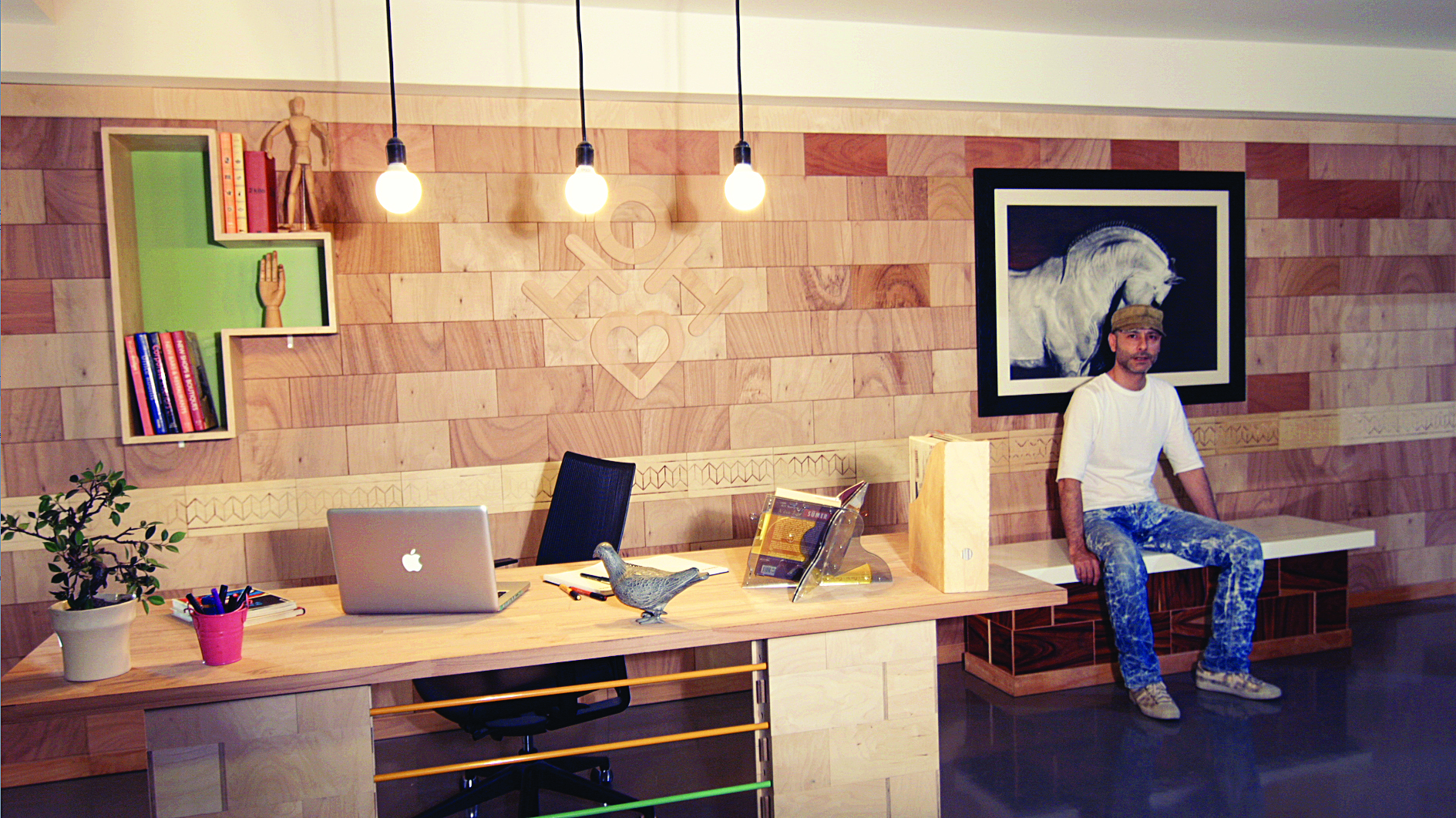
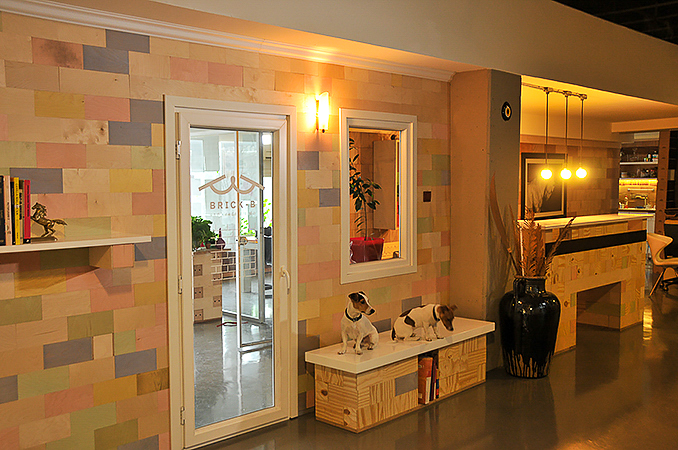
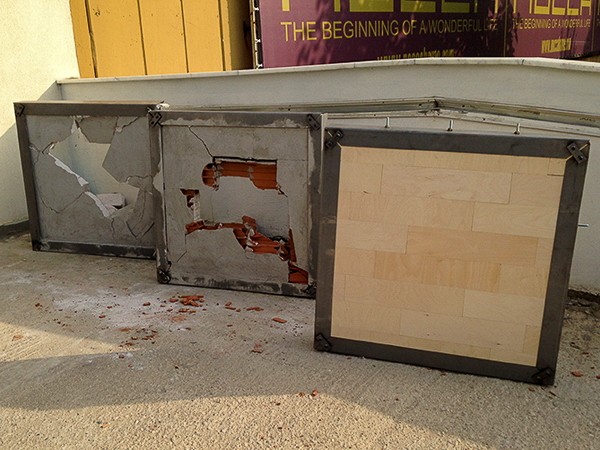
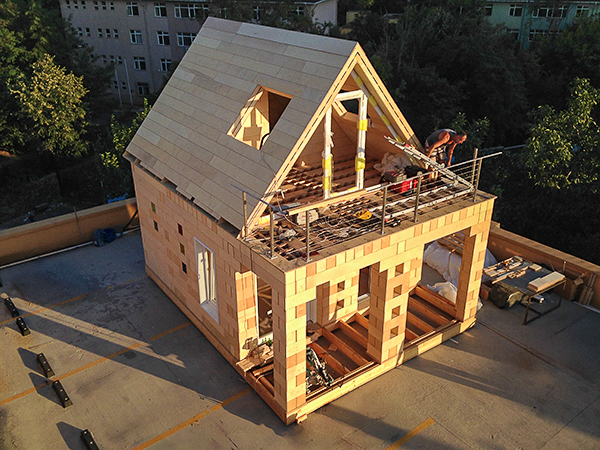
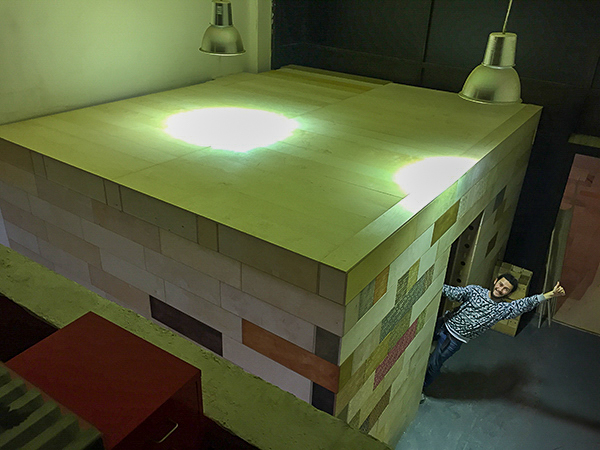
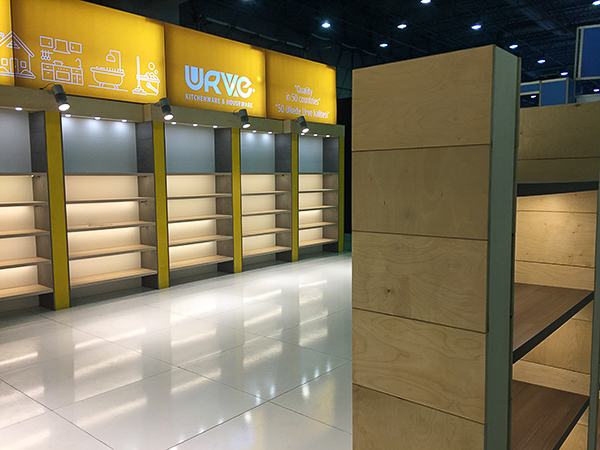
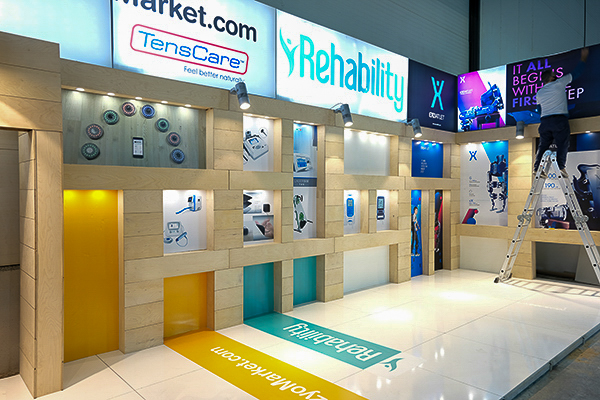
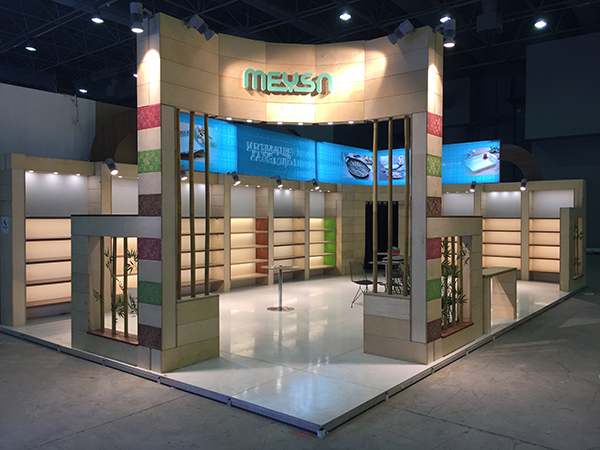
OmniMino grew out of the design, prototyping, patent, and real-world experience accumulated since 2012 by the team behind BRICK-B the foldable wooden brick.

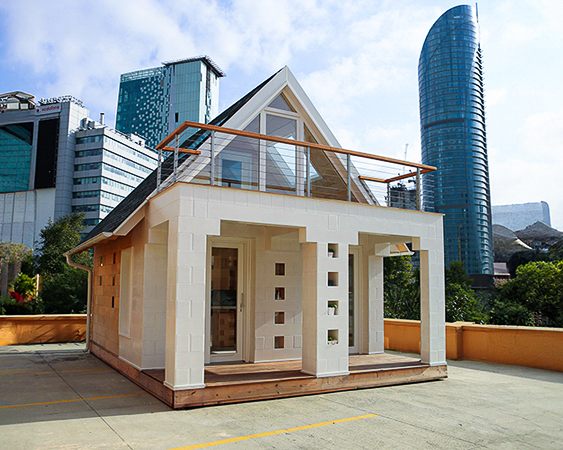
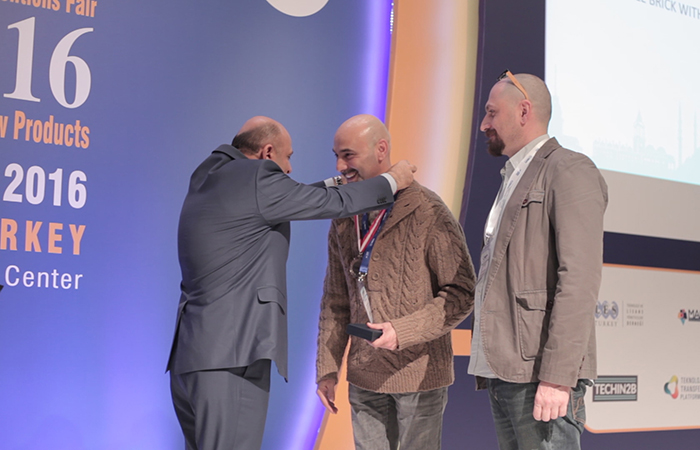
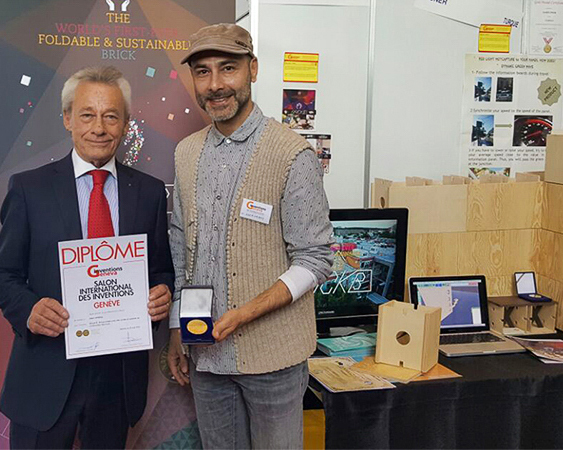
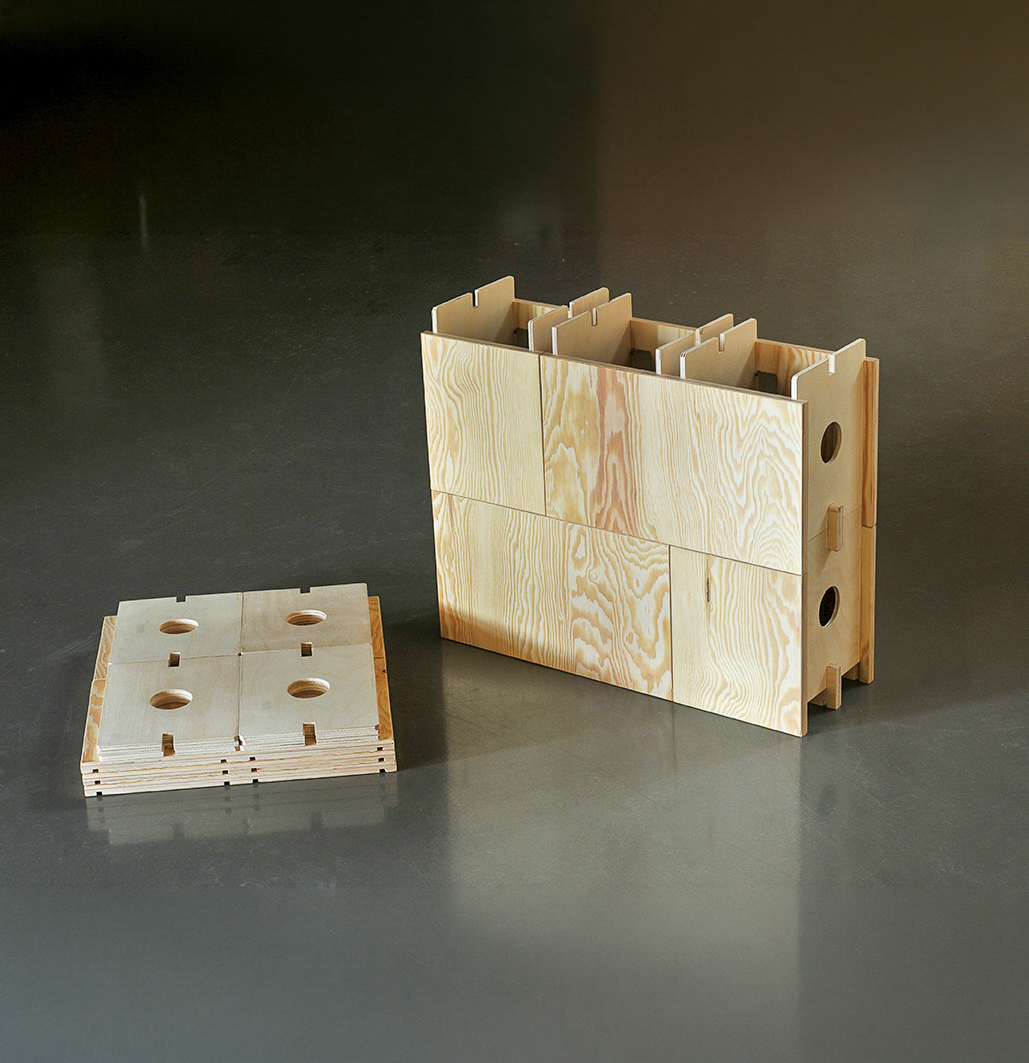
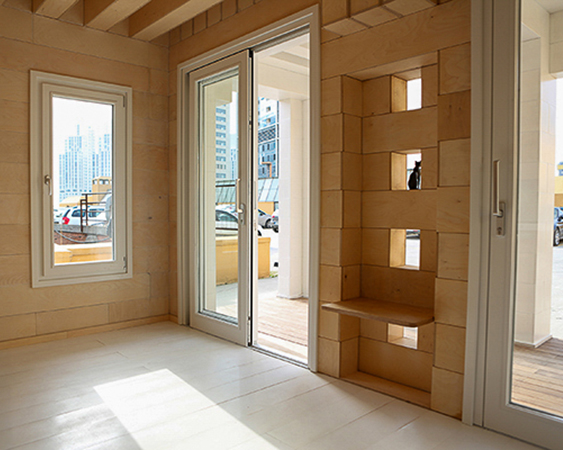
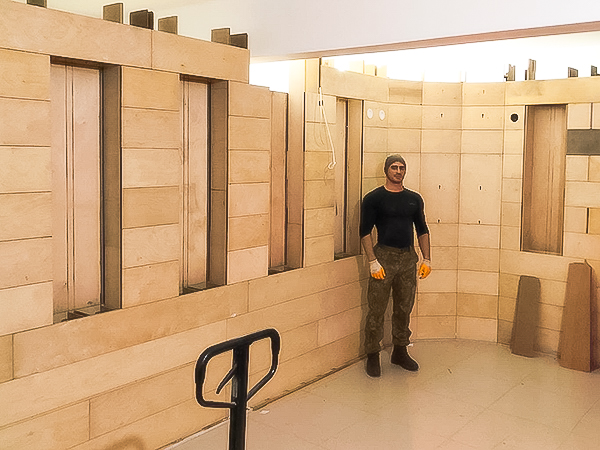
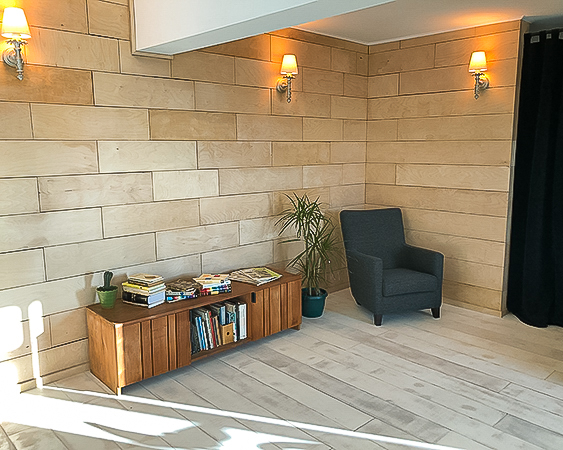
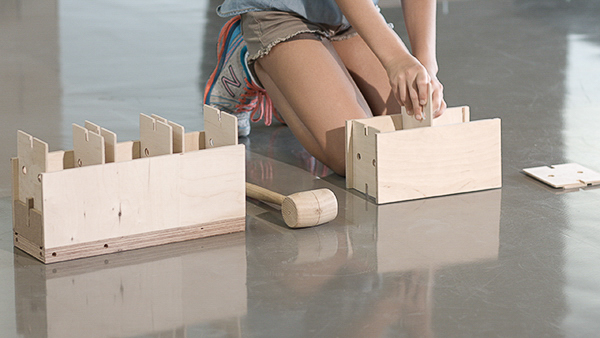
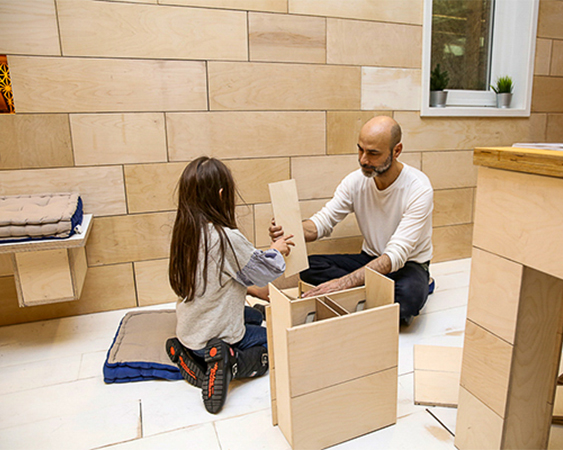
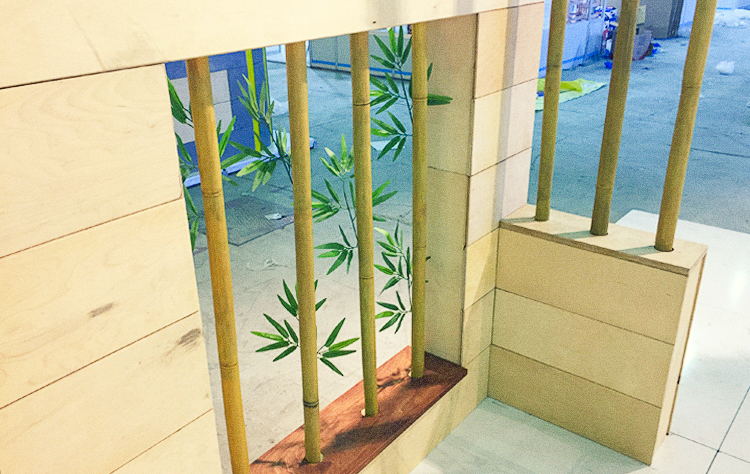
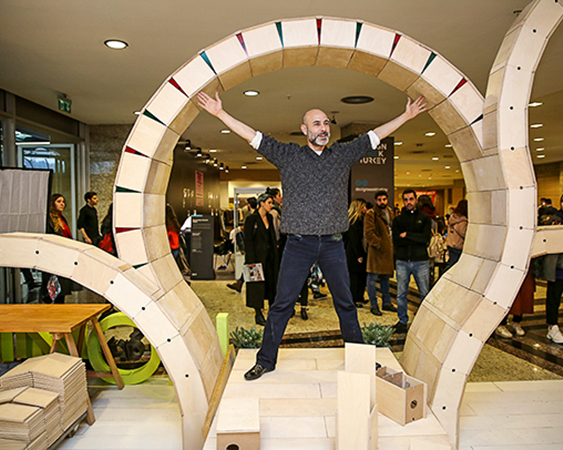
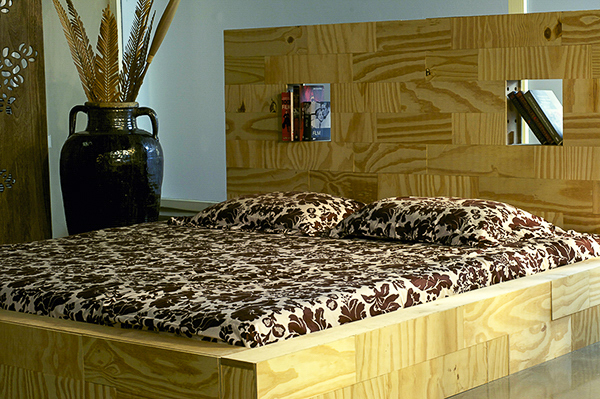
More than thirty adaptive assembly–disassembly cycles. Eleven years. One inventory. From the two-storey prototype to today’s studio wall — the same parts throughout.
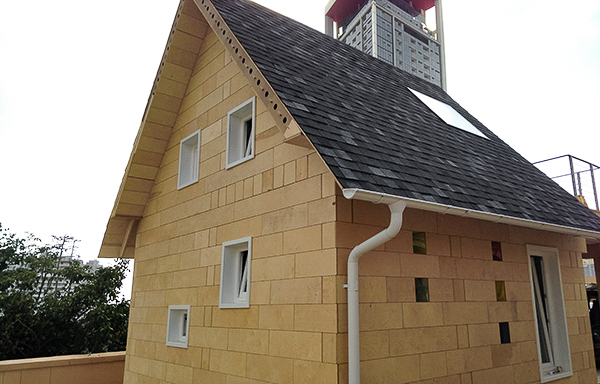
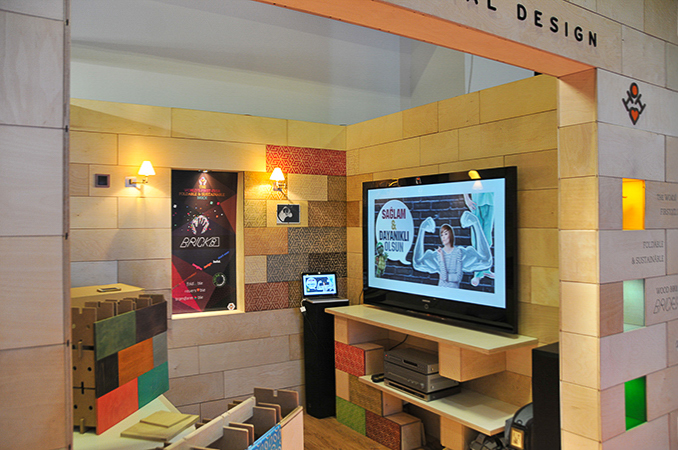
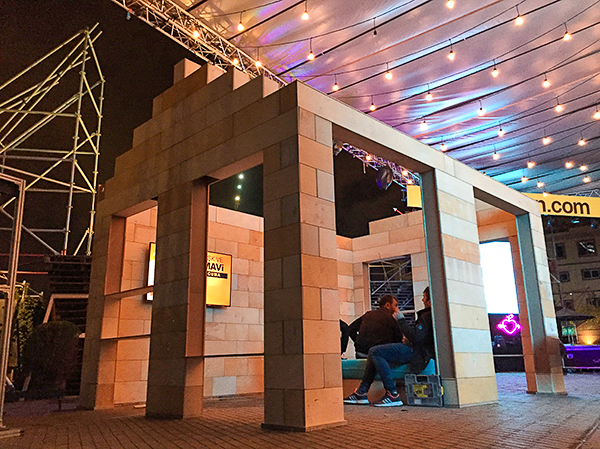
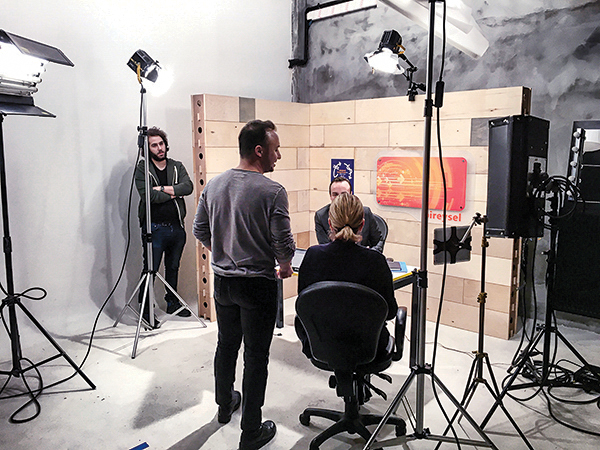
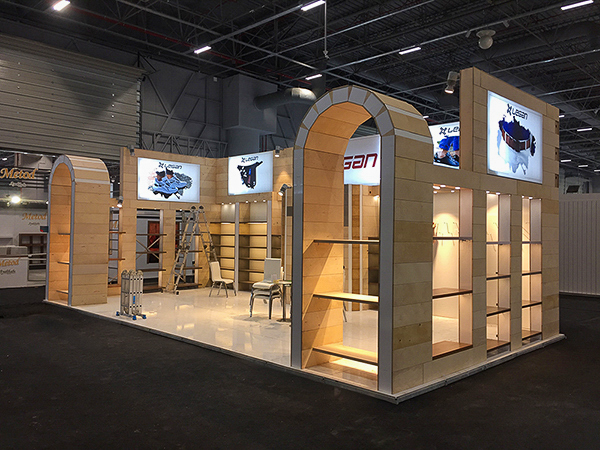
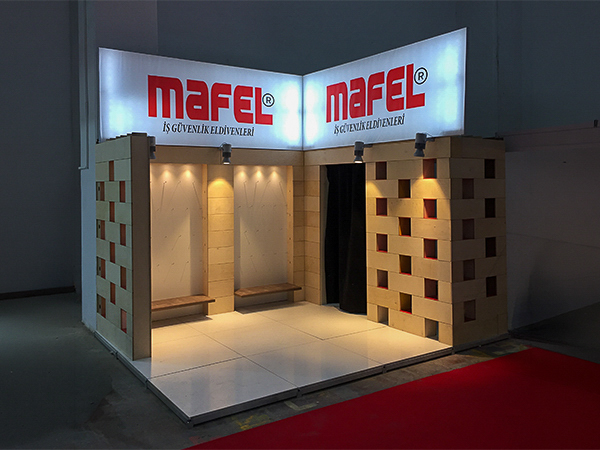
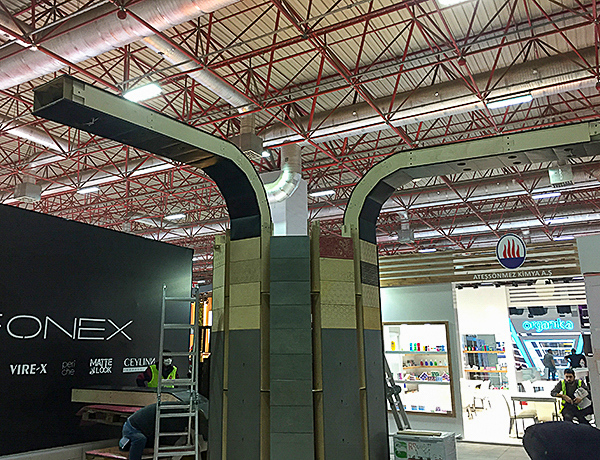
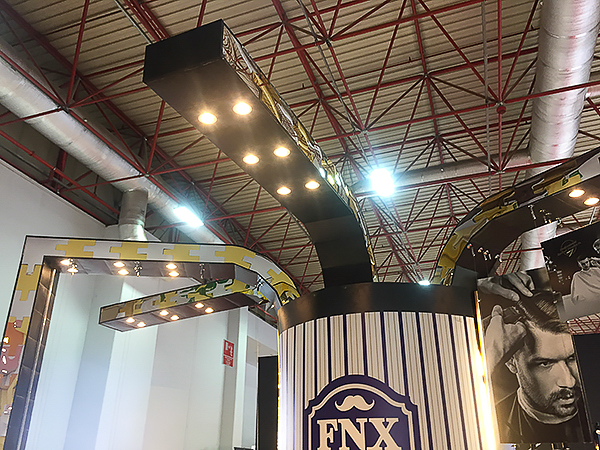
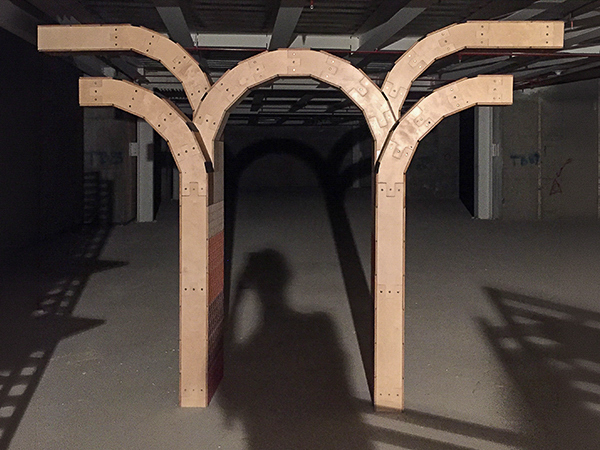
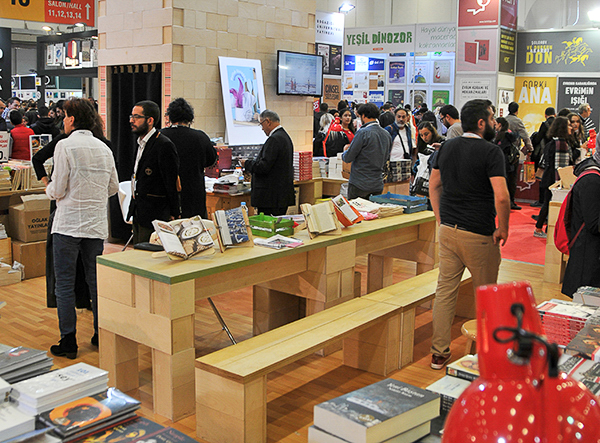
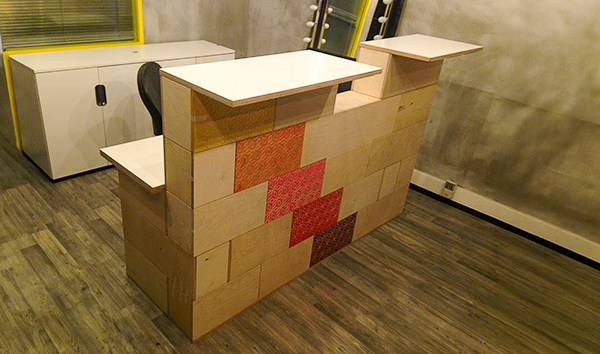
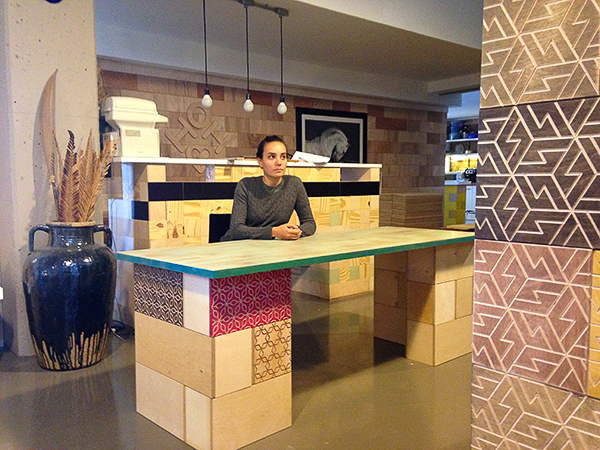
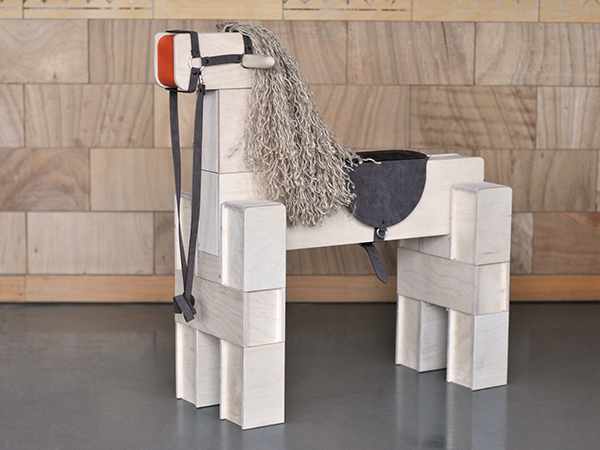


BRICK-B worked. So why does OmniMino exist?
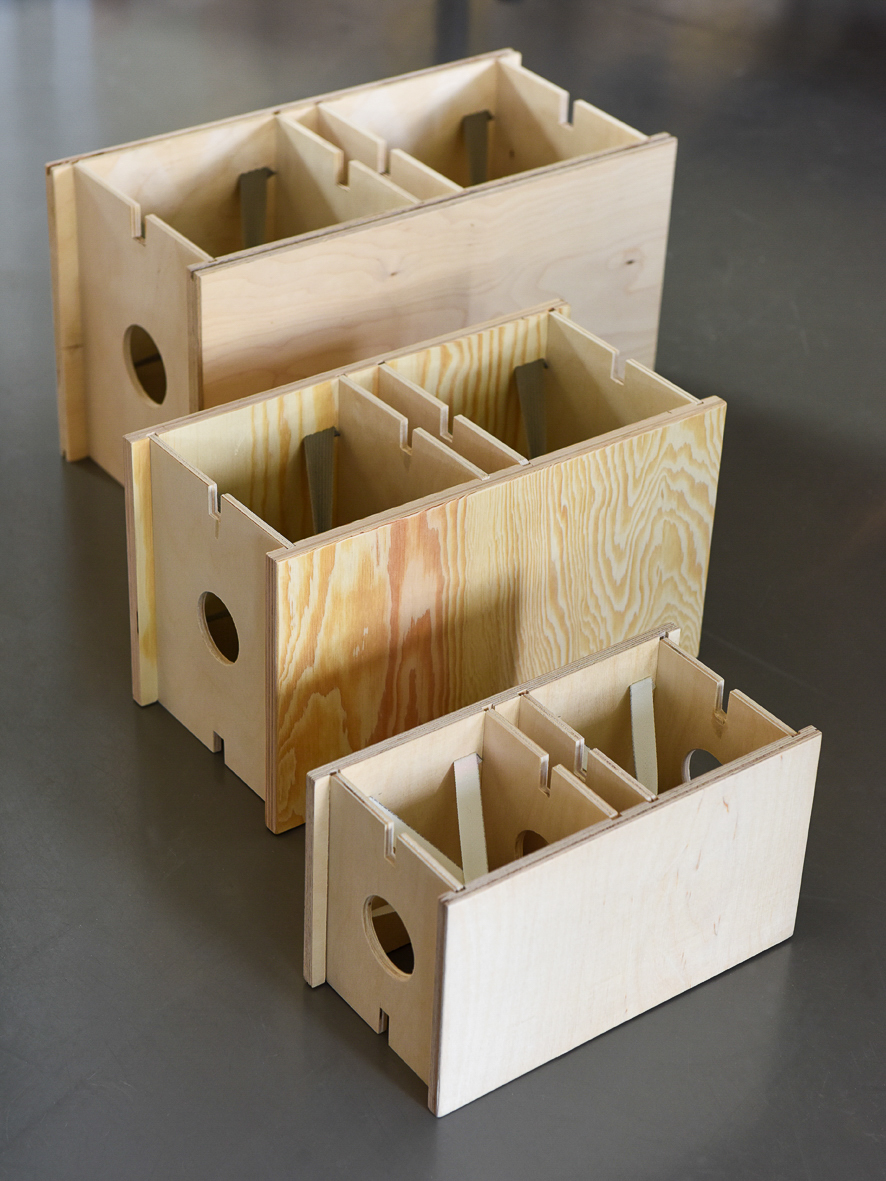
The answer lies not in a shortcoming of BRICK-B, but in the limits of the paradigm it belongs to.
The brick is the basic unit of masonry construction, one of humanity’s oldest building methods. The foldable brick was the biggest step that could be taken within that paradigm: by collapsing to one quarter of its assembled volume, it addressed one of the defining constraints of our age — logistics.
At a time when we are consuming the resources our planet can regenerate in a year earlier and earlier, doing more with less material and using the same parts again and again is no longer a preference, but a necessity. The foldable brick turned the “less is more” principle from a formal idea into a physical system expressed through material use, logistics, and service life — an early response to that necessity.
And yet, it was still within the logic of masonry.
In masonry, the load-bearing wall is also the building shell; the two are locked into a single decision. Much of modern construction, however, has moved toward frame systems — because the frame allows structure and shell to be separated.
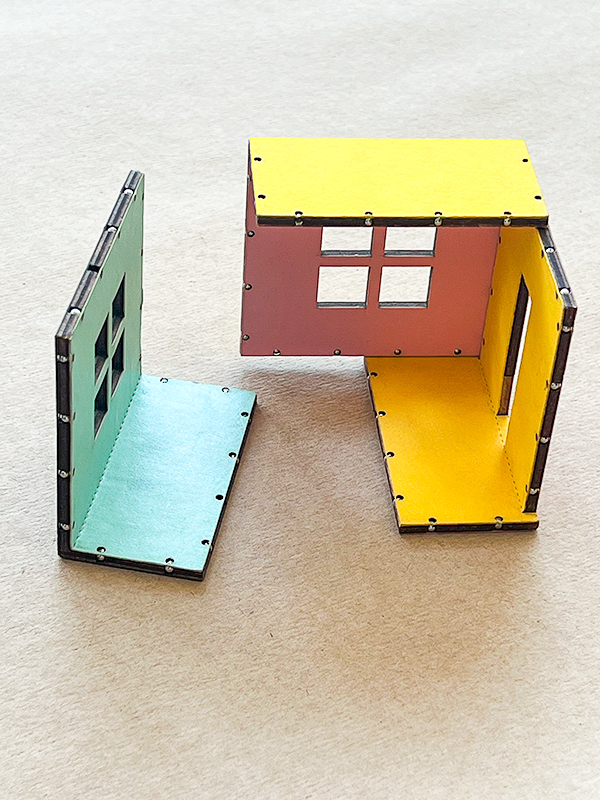
Our first step in this direction was MODULE-Li, patented in 2026: L-shaped, two-plane modules. But it also revealed three important limitations — its assembly still depended on skilled labor and heavy machinery; the shell, as with Brick-B, remained an integral part of the structural and interlocking system; and the range of spatial configurations it could generate was still quite limited.
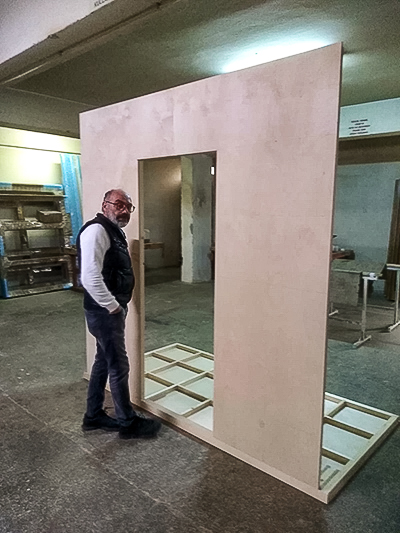
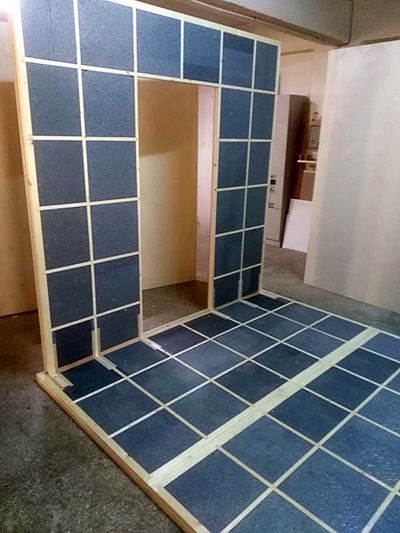
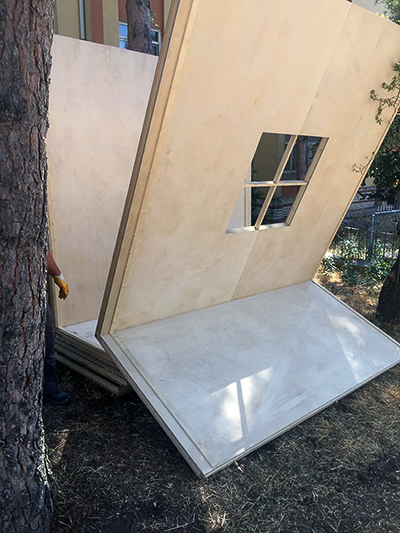
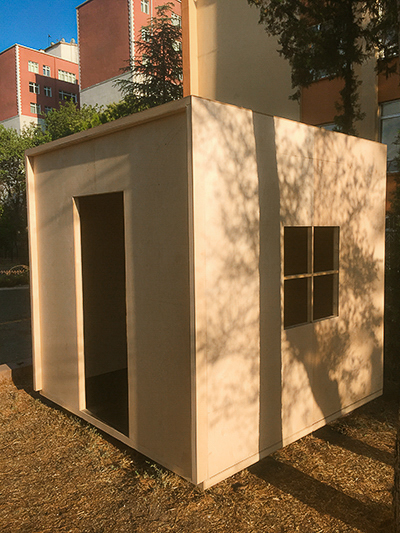
OmniMino is the system in which all three of these limitations are removed.
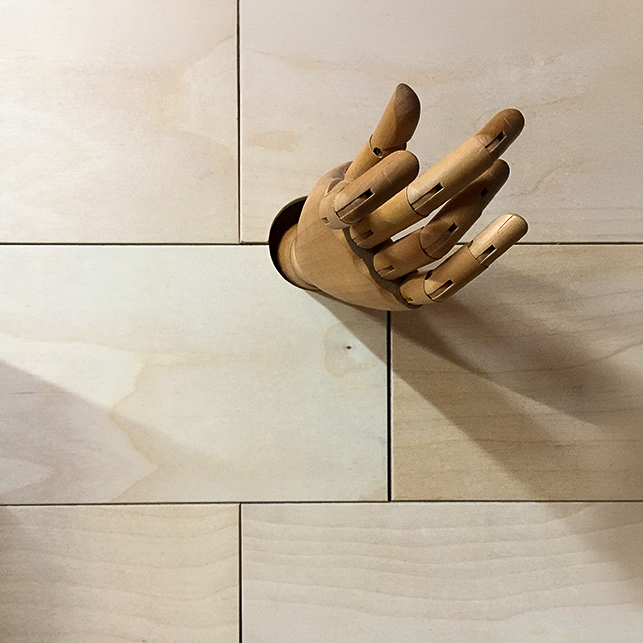
We believe sustainability is made possible not by remaining unchanged, but by being able to change — as Heraclitus pointed out twenty-five centuries ago: to be is to become.
If needs change, space should be able to change with them. Disassembled parts should not become waste, but the inventory of the next structure. Open-endedness should come not from creating new parts for every project, but from enabling a small number of well-defined elements to generate many outcomes through the right rules.
For us, therefore:
Not form, but potential. Not consumption, but a cycle. Not constraints, but rules.